Buy huy-athle.be ?
We are moving the project
huy-athle.be .
Are you interested in purchasing the domain
huy-athle.be ?
domain@kv-gmbh.de · 0541-91531010
Buy huy-athle.be ?
How can wavelengths be filtered?
Wavelengths can be filtered using various optical filters such as bandpass filters, longpass filters, and shortpass filters. These filters work by selectively transmitting or blocking certain wavelengths of light while allowing others to pass through. Bandpass filters only allow a specific range of wavelengths to pass through, while longpass filters transmit longer wavelengths and shortpass filters transmit shorter wavelengths. By using these filters, specific wavelengths of light can be isolated or removed from a light source. **
How can one filter wavelengths?
One can filter wavelengths by using materials that selectively absorb or transmit certain wavelengths of light. For example, colored filters can be used to absorb specific wavelengths of light while allowing others to pass through. Additionally, interference filters can be used to selectively transmit certain wavelengths by exploiting the wave nature of light. These filters are made by depositing thin layers of materials with specific optical properties onto a substrate. By carefully designing the thickness and composition of these layers, interference filters can be engineered to transmit only the desired wavelengths of light. **


Similar search terms for Wavelengths
Top-Angebote
Products related to Wavelengths:
-
BEAST RINGS Anneau pénien en silicone liquide 25 mm pour érection durableApportez une nouvelle dimension à vos moments intimes avec cet anneau pénien en silicone liquide, conçu pour offrir une érection plus ferme et prolongée tout en restant confortable.Une matière douce et élastique qui respecte votre peauFabriqué à 100% en silicone liquide, cet anneau allie douceur et10,99 €*Shipping: 3,90 €Secure redirect to the provider


-
Why do colors have different wavelengths?
Colors have different wavelengths because they are a result of different frequencies of light. The wavelength of light determines its color, with shorter wavelengths corresponding to colors like blue and violet, and longer wavelengths corresponding to colors like red and orange. When light interacts with an object, certain wavelengths are absorbed and others are reflected, which is what we perceive as color. Therefore, the different wavelengths of light are responsible for the variety of colors we see in the world around us. **
-
Why are the rings of an electron diffraction tube larger at higher wavelengths than at lower wavelengths?
The rings of an electron diffraction tube are larger at higher wavelengths than at lower wavelengths because the wavelength of the electrons is inversely proportional to their momentum. This means that as the wavelength increases, the momentum of the electrons decreases. With lower momentum, the electrons are less able to penetrate the atomic structure of the material being studied, resulting in larger diffraction rings. Conversely, at lower wavelengths, the higher momentum of the electrons allows them to penetrate the atomic structure more effectively, resulting in smaller diffraction rings. **
-
What is the reflection of adjacent wavelengths?
The reflection of adjacent wavelengths refers to the phenomenon where light waves of different wavelengths are reflected off a surface. When light waves with adjacent wavelengths, such as red and orange, hit a surface, they may be reflected at different angles or with different intensities. This can result in the separation of colors, as seen in a rainbow or in the iridescence of certain materials. The reflection of adjacent wavelengths is a key factor in the perception of color and the behavior of light. **
-
How do you calculate wavelengths in water?
To calculate the wavelength of a wave in water, you can use the formula: wavelength = speed of wave / frequency of wave. The speed of the wave in water can be calculated using the formula: speed = frequency * wavelength. The frequency of the wave can be determined by the source of the wave, and the wavelength can be measured by observing the distance between two consecutive wave crests or troughs. By using these formulas, you can calculate the wavelength of a wave in water. **

What types of vibrations occur at different wavelengths?
Different types of vibrations occur at different wavelengths. For example, at shorter wavelengths, we have high-frequency vibrations such as gamma rays and X-rays. At longer wavelengths, we have lower frequency vibrations such as infrared and radio waves. Each type of vibration has its own unique properties and interactions with matter, making them useful for various applications in science and technology. **
Do long or short wavelengths penetrate matter better?
Short wavelengths penetrate matter better than long wavelengths. This is because short wavelengths have higher energy and are able to penetrate through materials more easily. Long wavelengths, on the other hand, have lower energy and are more likely to be absorbed or scattered by the material, making them less effective at penetrating through matter. This is why X-rays, which have short wavelengths, are used for medical imaging to penetrate through the body and create detailed images of bones and tissues. **
Top-Angebote
Products related to Wavelengths:
-
adidas Performance Collants court de training, TECHFIT CompressionRepousse les limites de tes entraînements avec ces collants TECHFIT. Modèle conçu pour des entraînements sportifs et une performance polyvalente.Détails produit • Taille : standard • Taille élastiquée • Convient à la pratique sportive Composition et Entretien • 83% polyester, 17% élasthanne • Température de lavage 60° • Blanchiment interdit • Séchage en tambour faible • Pas de nettoyage à sec30,00 €*Shipping: 3,99 €Secure redirect to the provider
-
Intoyou Torky Masturbateur rotatif à compression avec contrôle via applicationLe silicone épouse la forme de votre main. Sensation immédiate. Le Torky Masturbateur rotatif à compression avec contrôle via application de Intoyou transforme chaque mouvement en une stimulation fluide et enveloppante. Sa conception intelligente relie le geste à la technologie, pour une expérience85,90 €*Shipping: 0,00 €Secure redirect to the provider
-
How can wavelengths be filtered?
Wavelengths can be filtered using various optical filters such as bandpass filters, longpass filters, and shortpass filters. These filters work by selectively transmitting or blocking certain wavelengths of light while allowing others to pass through. Bandpass filters only allow a specific range of wavelengths to pass through, while longpass filters transmit longer wavelengths and shortpass filters transmit shorter wavelengths. By using these filters, specific wavelengths of light can be isolated or removed from a light source. **
-
How can one filter wavelengths?
One can filter wavelengths by using materials that selectively absorb or transmit certain wavelengths of light. For example, colored filters can be used to absorb specific wavelengths of light while allowing others to pass through. Additionally, interference filters can be used to selectively transmit certain wavelengths by exploiting the wave nature of light. These filters are made by depositing thin layers of materials with specific optical properties onto a substrate. By carefully designing the thickness and composition of these layers, interference filters can be engineered to transmit only the desired wavelengths of light. **
-
Why do colors have different wavelengths?
Colors have different wavelengths because they are a result of different frequencies of light. The wavelength of light determines its color, with shorter wavelengths corresponding to colors like blue and violet, and longer wavelengths corresponding to colors like red and orange. When light interacts with an object, certain wavelengths are absorbed and others are reflected, which is what we perceive as color. Therefore, the different wavelengths of light are responsible for the variety of colors we see in the world around us. **
-
Why are the rings of an electron diffraction tube larger at higher wavelengths than at lower wavelengths?
The rings of an electron diffraction tube are larger at higher wavelengths than at lower wavelengths because the wavelength of the electrons is inversely proportional to their momentum. This means that as the wavelength increases, the momentum of the electrons decreases. With lower momentum, the electrons are less able to penetrate the atomic structure of the material being studied, resulting in larger diffraction rings. Conversely, at lower wavelengths, the higher momentum of the electrons allows them to penetrate the atomic structure more effectively, resulting in smaller diffraction rings. **
Similar search terms for Wavelengths
-
BEAST RINGS Anneau pénien en silicone liquide 25 mm pour érection durableApportez une nouvelle dimension à vos moments intimes avec cet anneau pénien en silicone liquide, conçu pour offrir une érection plus ferme et prolongée tout en restant confortable.Une matière douce et élastique qui respecte votre peauFabriqué à 100% en silicone liquide, cet anneau allie douceur et10,99 €*Shipping: 3,90 €Secure redirect to the provider
-
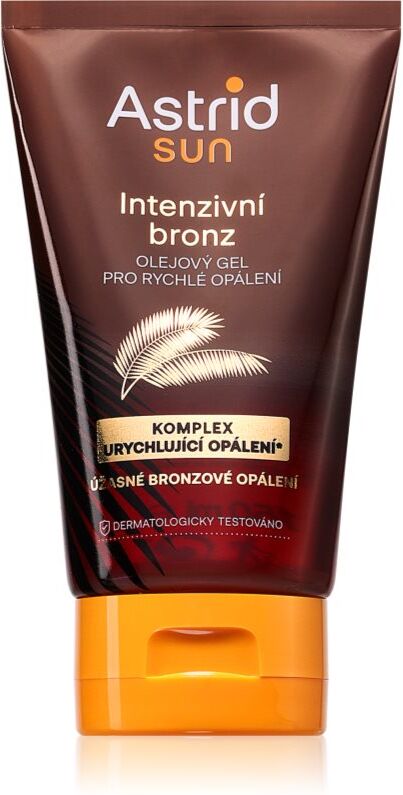
Astrid Sun gel huile pour un bronzage rapide et durable 150 mlAstrid Sun, 150 ml, Pour prolonger le bronzage pour femme, Le produit Astrid Sun offre à la peau sollicitée par le soleil le soin dont elle a besoin, tout en prolongeant la tenue du bronzage obtenu. Le produit : prolonge l’aspect bronzé offre une souplesse très soyeuse apaise parfaitement la peau s’étale facilement et s’absorbe rapidement Composition du produit : testé dermatologiquement Mode d’emploi : Après un séjour au soleil, massez le produit en faisant des mouvements circulaires sur la peau propre. Appliquez sur la peau propre du visage après que vous vous êtes exposé au soleil. Appliquez après la douche ou à tout moment de la journée si nécessaire.5,22 €*Shipping: 3,45 €Secure redirect to the provider
-
Wella Professionals Eimi Flexible Finish spray texturisant pour une fixation flexible 250 mlWella Professionals Eimi Flexible Finish, 250 ml, spray volume pour femme, Vous souhaitez apporter une nouvelle dimension à votre chevelure et la façonner selon vos envies ? Le produit coiffant Wella Professionals Eimi Flexible Finish vous aidera à réaliser la coiffure souhaitée. Il vous permettra de mettre en valeur la texture naturelle de vos cheveux et de leur donner de la définition et la forme souhaitée. Votre coiffure sera aussi parfaite que si elle avait été créée par un professionnel, à ceci près que vous resterez chez vous. Essayez ce produit de coiffage et laissez-le sublimer et fixer votre coiffure durablement. Le produit : fixe parfaitement tous les types de cheveux et de coiffures effet à long terme fixation moyenne Mode d’emploi : Pulvérisez sur les cheveux secs à une distance de 20–30 cm.12,90 €*Shipping: 3,45 €Secure redirect to the provider
-
What is the reflection of adjacent wavelengths?
The reflection of adjacent wavelengths refers to the phenomenon where light waves of different wavelengths are reflected off a surface. When light waves with adjacent wavelengths, such as red and orange, hit a surface, they may be reflected at different angles or with different intensities. This can result in the separation of colors, as seen in a rainbow or in the iridescence of certain materials. The reflection of adjacent wavelengths is a key factor in the perception of color and the behavior of light. **
-
How do you calculate wavelengths in water?
To calculate the wavelength of a wave in water, you can use the formula: wavelength = speed of wave / frequency of wave. The speed of the wave in water can be calculated using the formula: speed = frequency * wavelength. The frequency of the wave can be determined by the source of the wave, and the wavelength can be measured by observing the distance between two consecutive wave crests or troughs. By using these formulas, you can calculate the wavelength of a wave in water. **
-
What types of vibrations occur at different wavelengths?
Different types of vibrations occur at different wavelengths. For example, at shorter wavelengths, we have high-frequency vibrations such as gamma rays and X-rays. At longer wavelengths, we have lower frequency vibrations such as infrared and radio waves. Each type of vibration has its own unique properties and interactions with matter, making them useful for various applications in science and technology. **
-
Do long or short wavelengths penetrate matter better?
Short wavelengths penetrate matter better than long wavelengths. This is because short wavelengths have higher energy and are able to penetrate through materials more easily. Long wavelengths, on the other hand, have lower energy and are more likely to be absorbed or scattered by the material, making them less effective at penetrating through matter. This is why X-rays, which have short wavelengths, are used for medical imaging to penetrate through the body and create detailed images of bones and tissues. **
* All prices are inclusive of VAT and, if applicable, plus shipping costs. The offer information is based on the details provided by the respective shop and is updated through automated processes. Real-time updates do not occur, so deviations can occur in individual cases. ** Note: Parts of this content were created by AI.