Buy huy-athle.be ?
We are moving the project
huy-athle.be .
Are you interested in purchasing the domain
huy-athle.be ?
domain@kv-gmbh.de · 0541-91531010
Buy huy-athle.be ?
What is tartaric acid?
Tartaric acid is a naturally occurring organic acid found in many fruits, particularly in grapes. It is commonly used in the food and beverage industry as a flavoring agent, preservative, and acidity regulator. Tartaric acid is also used in the production of wine to control the acidity and pH levels, as well as to prevent crystallization of potassium bitartrate. Additionally, it is used in the pharmaceutical and cosmetic industries for various purposes. **
Is tartaric acid halal?
Yes, tartaric acid is considered halal. It is a naturally occurring organic acid found in many fruits, including grapes. It is commonly used in food and beverages as an acidulant and flavoring agent. As long as it is derived from permissible sources and does not contain any haram (forbidden) ingredients, tartaric acid is considered halal for consumption. **


Similar search terms for Tartaric
Top-Angebote
Products related to Tartaric:
-
vibrateur flexible rewolution rewostimDe quoi s'inspire REWOLUTION?Bien avant que le mouvement féministe ne prenne ses premiers coups pendant la Révolution française, il y a eu des femmes d'une grande puissance, d'une grande intelligence et avec l'autorité de changer le monde; une réalisation qui a un double mérite, compte tenu de49,95 €*Shipping: 0,00 €Secure redirect to the provider
-
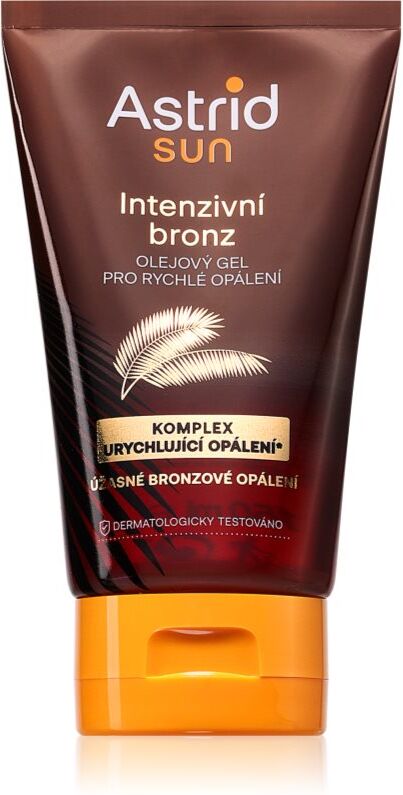
Astrid Sun gel huile pour un bronzage rapide et durable 150 mlAstrid Sun, 150 ml, Pour prolonger le bronzage pour femme, Le produit Astrid Sun offre à la peau sollicitée par le soleil le soin dont elle a besoin, tout en prolongeant la tenue du bronzage obtenu. Le produit : prolonge l’aspect bronzé offre une souplesse très soyeuse apaise parfaitement la peau s’étale facilement et s’absorbe rapidement Composition du produit : testé dermatologiquement Mode d’emploi : Après un séjour au soleil, massez le produit en faisant des mouvements circulaires sur la peau propre. Appliquez sur la peau propre du visage après que vous vous êtes exposé au soleil. Appliquez après la douche ou à tout moment de la journée si nécessaire.5,22 €*Shipping: 3,45 €Secure redirect to the provider
-
BEAST RINGS Anneau pénien en silicone liquide 25 mm pour érection durableApportez une nouvelle dimension à vos moments intimes avec cet anneau pénien en silicone liquide, conçu pour offrir une érection plus ferme et prolongée tout en restant confortable.Une matière douce et élastique qui respecte votre peauFabriqué à 100% en silicone liquide, cet anneau allie douceur et10,99 €*Shipping: 3,90 €Secure redirect to the provider



-
What is the difference between L-tartaric acid and D-tartaric acid?
L-tartaric acid and D-tartaric acid are mirror-image isomers of each other, known as enantiomers. The main difference between them is their spatial arrangement of atoms. L-tartaric acid has a left-handed configuration, while D-tartaric acid has a right-handed configuration. This difference in configuration gives them different properties, such as their ability to rotate plane-polarized light in opposite directions. Despite their differences, they have similar chemical and physical properties. **
-
Why is meso-tartaric acid optically inactive?
Meso-tartaric acid is optically inactive because it has a plane of symmetry that divides the molecule into two identical halves. This means that the two chiral centers in meso-ttartaric acid are arranged in such a way that the molecule is superimposable on its mirror image. As a result, the molecule does not rotate the plane of polarized light and is therefore optically inactive. **
-
How does the protolysis of tartaric acid (C4H6O6) occur?
The protolysis of tartaric acid occurs when it reacts with water to donate a proton (H+) to the water molecule, forming the conjugate base of tartaric acid and a hydronium ion (H3O+). This reaction can be represented as C4H6O6 + H2O → C4H5O6- + H3O+. The resulting conjugate base of tartaric acid is called tartrate ion (C4H5O6-), which is a weak base. **
-
What is the reaction equation for the formation of tartaric acid?
The reaction equation for the formation of tartaric acid is as follows: C4H6O6 + 2 KOH → K2C4H4O6 + 2 H2O This reaction involves the reaction of potassium hydrogen tartrate (C4H6O6) with potassium hydroxide (KOH) to form potassium tartrate (K2C4H4O6) and water (H2O). This reaction is a neutralization reaction, where an acid and a base react to form a salt and water. **


Why is the IUPAC name for tartaric acid and citric acid?
The IUPAC names for tartaric acid and citric acid are 2,3-dihydroxybutanedioic acid and 2-hydroxypropane-1,2,3-tricarboxylic acid, respectively. These names are used to provide a systematic and unique way to identify these organic compounds based on their chemical structure. The IUPAC names for these acids help to accurately describe the arrangement of atoms in their molecules, making it easier for scientists to communicate and work with these compounds in a precise manner. **
Why is the IUPAC nomenclature for tartaric acid and citric acid?
The IUPAC nomenclature for tartaric acid and citric acid is used to provide a systematic and standardized way to name these organic compounds based on their chemical structure. This helps to avoid confusion and ensure clear communication among scientists and researchers when referring to these specific acids. Additionally, the IUPAC nomenclature follows specific rules and conventions that help to accurately describe the molecular composition of these acids. **
Top-Angebote
Products related to Tartaric:
-
adidas Performance Collants court de training, TECHFIT CompressionRepousse les limites de tes entraînements avec ces collants TECHFIT. Modèle conçu pour des entraînements sportifs et une performance polyvalente.Détails produit • Taille : standard • Taille élastiquée • Convient à la pratique sportive Composition et Entretien • 83% polyester, 17% élasthanne • Température de lavage 60° • Blanchiment interdit • Séchage en tambour faible • Pas de nettoyage à sec30,00 €*Shipping: 3,99 €Secure redirect to the provider
-
Intoyou Torky Masturbateur rotatif à compression avec contrôle via applicationLe silicone épouse la forme de votre main. Sensation immédiate. Le Torky Masturbateur rotatif à compression avec contrôle via application de Intoyou transforme chaque mouvement en une stimulation fluide et enveloppante. Sa conception intelligente relie le geste à la technologie, pour une expérience85,90 €*Shipping: 0,00 €Secure redirect to the provider
-
vibrateur flexible rewolution rewostimDe quoi s'inspire REWOLUTION?Bien avant que le mouvement féministe ne prenne ses premiers coups pendant la Révolution française, il y a eu des femmes d'une grande puissance, d'une grande intelligence et avec l'autorité de changer le monde; une réalisation qui a un double mérite, compte tenu de49,95 €*Shipping: 0,00 €Secure redirect to the provider
-
What is tartaric acid?
Tartaric acid is a naturally occurring organic acid found in many fruits, particularly in grapes. It is commonly used in the food and beverage industry as a flavoring agent, preservative, and acidity regulator. Tartaric acid is also used in the production of wine to control the acidity and pH levels, as well as to prevent crystallization of potassium bitartrate. Additionally, it is used in the pharmaceutical and cosmetic industries for various purposes. **
-
Is tartaric acid halal?
Yes, tartaric acid is considered halal. It is a naturally occurring organic acid found in many fruits, including grapes. It is commonly used in food and beverages as an acidulant and flavoring agent. As long as it is derived from permissible sources and does not contain any haram (forbidden) ingredients, tartaric acid is considered halal for consumption. **
-
What is the difference between L-tartaric acid and D-tartaric acid?
L-tartaric acid and D-tartaric acid are mirror-image isomers of each other, known as enantiomers. The main difference between them is their spatial arrangement of atoms. L-tartaric acid has a left-handed configuration, while D-tartaric acid has a right-handed configuration. This difference in configuration gives them different properties, such as their ability to rotate plane-polarized light in opposite directions. Despite their differences, they have similar chemical and physical properties. **
-
Why is meso-tartaric acid optically inactive?
Meso-tartaric acid is optically inactive because it has a plane of symmetry that divides the molecule into two identical halves. This means that the two chiral centers in meso-ttartaric acid are arranged in such a way that the molecule is superimposable on its mirror image. As a result, the molecule does not rotate the plane of polarized light and is therefore optically inactive. **
Similar search terms for Tartaric
-
Astrid Sun gel huile pour un bronzage rapide et durable 150 mlAstrid Sun, 150 ml, Pour prolonger le bronzage pour femme, Le produit Astrid Sun offre à la peau sollicitée par le soleil le soin dont elle a besoin, tout en prolongeant la tenue du bronzage obtenu. Le produit : prolonge l’aspect bronzé offre une souplesse très soyeuse apaise parfaitement la peau s’étale facilement et s’absorbe rapidement Composition du produit : testé dermatologiquement Mode d’emploi : Après un séjour au soleil, massez le produit en faisant des mouvements circulaires sur la peau propre. Appliquez sur la peau propre du visage après que vous vous êtes exposé au soleil. Appliquez après la douche ou à tout moment de la journée si nécessaire.5,22 €*Shipping: 3,45 €Secure redirect to the provider
-
BEAST RINGS Anneau pénien en silicone liquide 25 mm pour érection durableApportez une nouvelle dimension à vos moments intimes avec cet anneau pénien en silicone liquide, conçu pour offrir une érection plus ferme et prolongée tout en restant confortable.Une matière douce et élastique qui respecte votre peauFabriqué à 100% en silicone liquide, cet anneau allie douceur et10,99 €*Shipping: 3,90 €Secure redirect to the provider
-
Wella Professionals Eimi Flexible Finish spray texturisant pour une fixation flexible 250 mlWella Professionals Eimi Flexible Finish, 250 ml, spray volume pour femme, Vous souhaitez apporter une nouvelle dimension à votre chevelure et la façonner selon vos envies ? Le produit coiffant Wella Professionals Eimi Flexible Finish vous aidera à réaliser la coiffure souhaitée. Il vous permettra de mettre en valeur la texture naturelle de vos cheveux et de leur donner de la définition et la forme souhaitée. Votre coiffure sera aussi parfaite que si elle avait été créée par un professionnel, à ceci près que vous resterez chez vous. Essayez ce produit de coiffage et laissez-le sublimer et fixer votre coiffure durablement. Le produit : fixe parfaitement tous les types de cheveux et de coiffures effet à long terme fixation moyenne Mode d’emploi : Pulvérisez sur les cheveux secs à une distance de 20–30 cm.12,90 €*Shipping: 3,45 €Secure redirect to the provider
-
BEAST RINGS Anneau pénien en silicone liquide 35 mm pour une érection durableOffrez-vous une expérience sensuelle et maîtrisée avec cet anneau pénien en silicone liquide, pensé pour accompagner vos désirs avec élégance.Une texture douce qui sublime chaque caresseFabriqué à 100% en silicone liquide, cet anneau offre une douceur au toucher incomparable tout en garantissant11,99 €*Shipping: 3,90 €Secure redirect to the provider
-
How does the protolysis of tartaric acid (C4H6O6) occur?
The protolysis of tartaric acid occurs when it reacts with water to donate a proton (H+) to the water molecule, forming the conjugate base of tartaric acid and a hydronium ion (H3O+). This reaction can be represented as C4H6O6 + H2O → C4H5O6- + H3O+. The resulting conjugate base of tartaric acid is called tartrate ion (C4H5O6-), which is a weak base. **
-
What is the reaction equation for the formation of tartaric acid?
The reaction equation for the formation of tartaric acid is as follows: C4H6O6 + 2 KOH → K2C4H4O6 + 2 H2O This reaction involves the reaction of potassium hydrogen tartrate (C4H6O6) with potassium hydroxide (KOH) to form potassium tartrate (K2C4H4O6) and water (H2O). This reaction is a neutralization reaction, where an acid and a base react to form a salt and water. **
-
Why is the IUPAC name for tartaric acid and citric acid?
The IUPAC names for tartaric acid and citric acid are 2,3-dihydroxybutanedioic acid and 2-hydroxypropane-1,2,3-tricarboxylic acid, respectively. These names are used to provide a systematic and unique way to identify these organic compounds based on their chemical structure. The IUPAC names for these acids help to accurately describe the arrangement of atoms in their molecules, making it easier for scientists to communicate and work with these compounds in a precise manner. **
-
Why is the IUPAC nomenclature for tartaric acid and citric acid?
The IUPAC nomenclature for tartaric acid and citric acid is used to provide a systematic and standardized way to name these organic compounds based on their chemical structure. This helps to avoid confusion and ensure clear communication among scientists and researchers when referring to these specific acids. Additionally, the IUPAC nomenclature follows specific rules and conventions that help to accurately describe the molecular composition of these acids. **
* All prices are inclusive of VAT and, if applicable, plus shipping costs. The offer information is based on the details provided by the respective shop and is updated through automated processes. Real-time updates do not occur, so deviations can occur in individual cases. ** Note: Parts of this content were created by AI.