Buy huy-athle.be ?
We are moving the project
huy-athle.be .
Are you interested in purchasing the domain
huy-athle.be ?
domain@kv-gmbh.de · 0541-91531010
Buy huy-athle.be ?
What are intermolecular forces?
Intermolecular forces are the attractive forces that exist between molecules. These forces are responsible for holding molecules together in a liquid or solid state. There are several types of intermolecular forces, including hydrogen bonding, dipole-dipole interactions, and London dispersion forces. These forces play a crucial role in determining the physical properties of substances, such as their boiling and melting points, as well as their solubility and viscosity. **
What intermolecular forces exist?
Intermolecular forces are the forces of attraction and repulsion between molecules. The main types of intermolecular forces include London dispersion forces, dipole-dipole interactions, and hydrogen bonding. London dispersion forces are the weakest type of intermolecular force and occur between all molecules. Dipole-dipole interactions occur between polar molecules, where the positive end of one molecule is attracted to the negative end of another. Hydrogen bonding is a special type of dipole-dipole interaction that occurs when hydrogen is bonded to highly electronegative atoms like oxygen, nitrogen, or fluorine. **


Similar search terms for Intermolecular
Top-Angebote
Products related to Intermolecular:
-
vibrateur flexible rewolution rewostimDe quoi s'inspire REWOLUTION?Bien avant que le mouvement féministe ne prenne ses premiers coups pendant la Révolution française, il y a eu des femmes d'une grande puissance, d'une grande intelligence et avec l'autorité de changer le monde; une réalisation qui a un double mérite, compte tenu de49,95 €*Shipping: 0,00 €Secure redirect to the provider


-
What are intermolecular interactions?
Intermolecular interactions are the forces of attraction or repulsion between molecules. These interactions play a crucial role in determining the physical and chemical properties of substances. Examples of intermolecular interactions include hydrogen bonding, van der Waals forces, and dipole-dipole interactions. These forces can affect properties such as boiling and melting points, solubility, and viscosity. **
-
Which intermolecular interactions are possible?
Intermolecular interactions that are possible include hydrogen bonding, dipole-dipole interactions, and London dispersion forces. Hydrogen bonding occurs when a hydrogen atom is bonded to a highly electronegative atom such as oxygen, nitrogen, or fluorine. Dipole-dipole interactions occur between molecules with permanent dipoles, while London dispersion forces are the weakest intermolecular interactions and occur between all molecules due to temporary fluctuations in electron distribution. These interactions play a crucial role in determining the physical properties of substances such as boiling and melting points. **
-
How are intermolecular forces classified?
Intermolecular forces are classified into three main categories: dispersion forces, dipole-dipole forces, and hydrogen bonding. Dispersion forces are the weakest type of intermolecular force and are caused by temporary fluctuations in electron distribution within molecules. Dipole-dipole forces occur between polar molecules and are stronger than dispersion forces. Hydrogen bonding is the strongest type of intermolecular force and occurs when hydrogen is bonded to highly electronegative atoms like oxygen, nitrogen, or fluorine. **
-
What are strong intermolecular interactions?
Strong intermolecular interactions are attractive forces between molecules that are stronger than typical van der Waals forces. These interactions can include hydrogen bonding, dipole-dipole interactions, and ion-dipole interactions. Strong intermolecular interactions play a crucial role in determining the physical properties of substances such as boiling point, melting point, and solubility. They are important in various biological processes, such as protein folding and DNA replication. **

Which intermolecular forces are the strongest?
The strongest intermolecular forces are hydrogen bonding, which occurs when a hydrogen atom is bonded to a highly electronegative atom such as oxygen, nitrogen, or fluorine. Hydrogen bonding is stronger than dipole-dipole interactions and London dispersion forces. This is because hydrogen bonding involves a particularly strong attraction between the partially positive hydrogen atom and the partially negative atom it is bonded to, leading to a higher energy of interaction compared to other intermolecular forces. **
What are intermolecular interactions in chemistry?
Intermolecular interactions are the forces of attraction or repulsion between molecules. These interactions play a crucial role in determining the physical properties of substances, such as boiling point, melting point, and solubility. The main types of intermolecular interactions include hydrogen bonding, dipole-dipole interactions, and van der Waals forces. These interactions are weaker than chemical bonds within a molecule, but they still significantly impact the behavior and properties of substances. **
Top-Angebote
Products related to Intermolecular:
-
adidas Performance Collants court de training, TECHFIT CompressionRepousse les limites de tes entraînements avec ces collants TECHFIT. Modèle conçu pour des entraînements sportifs et une performance polyvalente.Détails produit • Taille : standard • Taille élastiquée • Convient à la pratique sportive Composition et Entretien • 83% polyester, 17% élasthanne • Température de lavage 60° • Blanchiment interdit • Séchage en tambour faible • Pas de nettoyage à sec30,00 €*Shipping: 3,99 €Secure redirect to the provider
-
Intoyou Torky Masturbateur rotatif à compression avec contrôle via applicationLe silicone épouse la forme de votre main. Sensation immédiate. Le Torky Masturbateur rotatif à compression avec contrôle via application de Intoyou transforme chaque mouvement en une stimulation fluide et enveloppante. Sa conception intelligente relie le geste à la technologie, pour une expérience85,90 €*Shipping: 0,00 €Secure redirect to the provider
-
What are intermolecular forces?
Intermolecular forces are the attractive forces that exist between molecules. These forces are responsible for holding molecules together in a liquid or solid state. There are several types of intermolecular forces, including hydrogen bonding, dipole-dipole interactions, and London dispersion forces. These forces play a crucial role in determining the physical properties of substances, such as their boiling and melting points, as well as their solubility and viscosity. **
-
What intermolecular forces exist?
Intermolecular forces are the forces of attraction and repulsion between molecules. The main types of intermolecular forces include London dispersion forces, dipole-dipole interactions, and hydrogen bonding. London dispersion forces are the weakest type of intermolecular force and occur between all molecules. Dipole-dipole interactions occur between polar molecules, where the positive end of one molecule is attracted to the negative end of another. Hydrogen bonding is a special type of dipole-dipole interaction that occurs when hydrogen is bonded to highly electronegative atoms like oxygen, nitrogen, or fluorine. **
-
What are intermolecular interactions?
Intermolecular interactions are the forces of attraction or repulsion between molecules. These interactions play a crucial role in determining the physical and chemical properties of substances. Examples of intermolecular interactions include hydrogen bonding, van der Waals forces, and dipole-dipole interactions. These forces can affect properties such as boiling and melting points, solubility, and viscosity. **
-
Which intermolecular interactions are possible?
Intermolecular interactions that are possible include hydrogen bonding, dipole-dipole interactions, and London dispersion forces. Hydrogen bonding occurs when a hydrogen atom is bonded to a highly electronegative atom such as oxygen, nitrogen, or fluorine. Dipole-dipole interactions occur between molecules with permanent dipoles, while London dispersion forces are the weakest intermolecular interactions and occur between all molecules due to temporary fluctuations in electron distribution. These interactions play a crucial role in determining the physical properties of substances such as boiling and melting points. **
Similar search terms for Intermolecular
-
vibrateur flexible rewolution rewostimDe quoi s'inspire REWOLUTION?Bien avant que le mouvement féministe ne prenne ses premiers coups pendant la Révolution française, il y a eu des femmes d'une grande puissance, d'une grande intelligence et avec l'autorité de changer le monde; une réalisation qui a un double mérite, compte tenu de49,95 €*Shipping: 0,00 €Secure redirect to the provider
-
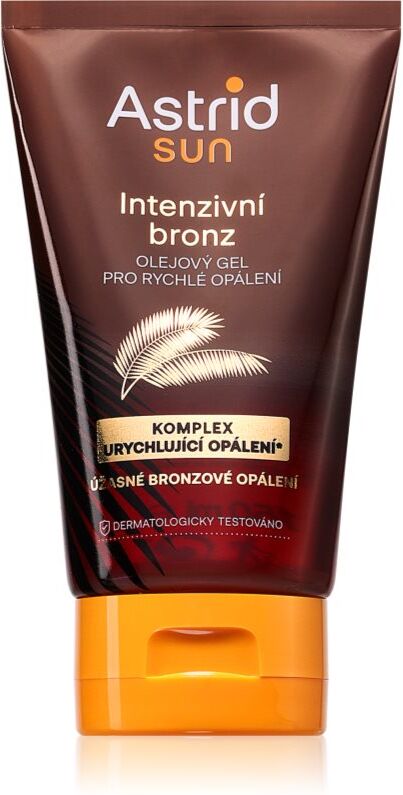
Astrid Sun gel huile pour un bronzage rapide et durable 150 mlAstrid Sun, 150 ml, Pour prolonger le bronzage pour femme, Le produit Astrid Sun offre à la peau sollicitée par le soleil le soin dont elle a besoin, tout en prolongeant la tenue du bronzage obtenu. Le produit : prolonge l’aspect bronzé offre une souplesse très soyeuse apaise parfaitement la peau s’étale facilement et s’absorbe rapidement Composition du produit : testé dermatologiquement Mode d’emploi : Après un séjour au soleil, massez le produit en faisant des mouvements circulaires sur la peau propre. Appliquez sur la peau propre du visage après que vous vous êtes exposé au soleil. Appliquez après la douche ou à tout moment de la journée si nécessaire.5,22 €*Shipping: 3,45 €Secure redirect to the provider
-
BEAST RINGS Anneau pénien en silicone liquide 25 mm pour érection durableApportez une nouvelle dimension à vos moments intimes avec cet anneau pénien en silicone liquide, conçu pour offrir une érection plus ferme et prolongée tout en restant confortable.Une matière douce et élastique qui respecte votre peauFabriqué à 100% en silicone liquide, cet anneau allie douceur et10,99 €*Shipping: 3,90 €Secure redirect to the provider
-
How are intermolecular forces classified?
Intermolecular forces are classified into three main categories: dispersion forces, dipole-dipole forces, and hydrogen bonding. Dispersion forces are the weakest type of intermolecular force and are caused by temporary fluctuations in electron distribution within molecules. Dipole-dipole forces occur between polar molecules and are stronger than dispersion forces. Hydrogen bonding is the strongest type of intermolecular force and occurs when hydrogen is bonded to highly electronegative atoms like oxygen, nitrogen, or fluorine. **
-
What are strong intermolecular interactions?
Strong intermolecular interactions are attractive forces between molecules that are stronger than typical van der Waals forces. These interactions can include hydrogen bonding, dipole-dipole interactions, and ion-dipole interactions. Strong intermolecular interactions play a crucial role in determining the physical properties of substances such as boiling point, melting point, and solubility. They are important in various biological processes, such as protein folding and DNA replication. **
-
Which intermolecular forces are the strongest?
The strongest intermolecular forces are hydrogen bonding, which occurs when a hydrogen atom is bonded to a highly electronegative atom such as oxygen, nitrogen, or fluorine. Hydrogen bonding is stronger than dipole-dipole interactions and London dispersion forces. This is because hydrogen bonding involves a particularly strong attraction between the partially positive hydrogen atom and the partially negative atom it is bonded to, leading to a higher energy of interaction compared to other intermolecular forces. **
-
What are intermolecular interactions in chemistry?
Intermolecular interactions are the forces of attraction or repulsion between molecules. These interactions play a crucial role in determining the physical properties of substances, such as boiling point, melting point, and solubility. The main types of intermolecular interactions include hydrogen bonding, dipole-dipole interactions, and van der Waals forces. These interactions are weaker than chemical bonds within a molecule, but they still significantly impact the behavior and properties of substances. **
* All prices are inclusive of VAT and, if applicable, plus shipping costs. The offer information is based on the details provided by the respective shop and is updated through automated processes. Real-time updates do not occur, so deviations can occur in individual cases. ** Note: Parts of this content were created by AI.